Endometriosis seems to be a disease that is overlooked. But the reality is that this disease affects millions of women across the country. Some women suffer in silence because they have symptoms but don’t know they have the disease. Endometriosis has been known to affect about 10% to 15% of women at their reproductive age.
In terms of the cause, there seem to be a lot of different factors. As of recently, there is one factor that is being heavily researched, and that is “Is Endometriosis Genetic?”
What is Endometriosis?
Endometriosis is a disease caused by the abnormal growth of the endometrial tissue. This is a tissue that is similar to the uterine lining that is outside of the uterus. The function of the endometrial tissue is to respond to the hormonal changes that happen during ovulation and eventually shed out with the period. When someone has endometriosis, the tissue has nowhere to shed, and for the person going through it, this causes them severe discomfort and pain.
Genetic Factors
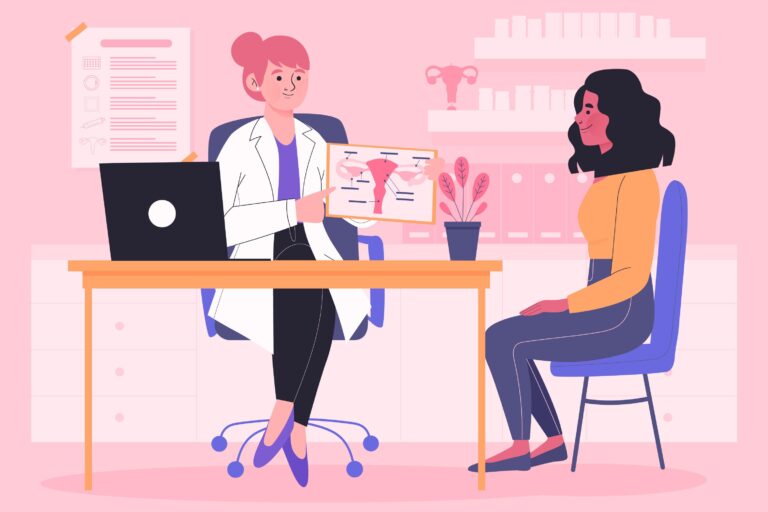
There is no exact singular cause for endometriosis. Environmental factors such as stress, exposure to pollution, or hormone-disrupting chemicals seem to be in play. In addition, alcohol use and advanced age can be risk factors for endometriosis. Scientists seem to be noticing that endometriosis might be hereditary and that this disease appears to be prevalent in those who have had a close family member with it.
With that being said, researchers are wondering if there is an endometriosis gene that might be passed along to the female offspring. In a study, women who had a sister, mother, or grandmother with endometriosis were 50% more likely than others to develop it.
Some genes have been studied and linked to endometriosis, but as research has continued, it’s been suggested that the genes and environment have to play a role together. In addition, there hasn’t been one specific gene found that connects to the disease.
There are a couple of causes and risk factors that researchers are looking into, and these include:
Causes
- Complications from surgical scarring: When an endometrial-like cell attaches to scar tissue during a procedure such as a cessation delivery (C-section).
- Immune system disorder: If someone has this disorder, the body might not recognize that endometrial-like cells are outside the uterus.
- Rectovaginal menstruation: this is the backward flow of menstrual blood. The blood ends up in the pelvic area, which might displace endometrial-like cells outside the uterus to grow.
- Cell transportation: Endometrial-like cells travel through the bloodstream or lymphatic system to other sites in the body and grow there.
- Cell transformation: If there are any internal changes to the cells outside the uterus, endometriosis can happen anywhere in the body
Risk Factors
- Starting your period at an early age
- Going through menopause at a later age
- Never giving birth
- Heavy menstrual periods longer than 7 days
- Low body mass index
- One or more close relatives with endometriosis
- Disorders of the reproductive tract
- Short menstrual cycles (i.e., less than 27 days)

Symptoms of Endometriosis
As mentioned before, many women have the symptoms that come with endometriosis but do not know that they have it. Here are some of the signs to look out for or recognize:
- Severe menstrual cramping
- Excessive bleeding
- Fatigue
- Nausea
- Pain with intercourse
- Pain with bowel movements or urination
- Blood in stool or urine
- Bleeding between periods
- Fertility problems
Uncommon Symptoms of Endometriosis
- Bladder problems
- Back pain
- Upper Body Pain
- Gastrointestinal problems
- Acid reflux
- Headaches
Endometriosis Testing
Getting a proper diagnosis is dependent on the symptoms. With that being said, after asking for symptoms, physicians will proceed to confirm whether or not a woman has endometriosis with one of these tests.
- Pelvic exam: Checking for any cysts or scars in the uterus
- Laparoscopy: The use of a laparoscope to check for lesions in the belly
- Imaging test: Usually, an ultrasound or CT scan
- Biopsy: Taking a sample of tissue during the laparoscopy
Treatment & Clinical Trials at AIH
Once the test is completed, the diagnosis is made by a medical professional. In the case that the diagnosis comes back positive, then the patient has endometriosis. The next step would be to get treatment. There is no cure for the disease, but there is treatment and getting treatment is accessible.
The different available treatments all deal with a woman’s symptoms. The most common ones are pain medications and hormone treatments. Over-the-counter pain medications might be recommended for those with pain. Hormonal therapy will result in lowering estrogen levels, which would stop the period. Some common hormone treatments are birth control pills, patches, vaginal rings, Gonadotropin-releasing hormone, Progestin-only contraceptives, and Danazol.
In some severe cases, doctors may recommend performing a hysterectomy, which is the removal of the uterus, cervix, and both ovaries. In this case, the provider will discuss freezing eggs as a reproductive option with the patient.
Treatment looks different for every woman with endometriosis. But we want to let you know that AIH has a clinical study you can participate in and explore new treatment options. If you have endometriosis, you can sign up for this clinical trial and see if you are eligible to participate. You might qualify if you are between the ages of 18 to 49. So, visit aihresearch.com and sign up today.
Resources
Disclaimer: This blog provides general information and discussions about health-related topics. If you or any other person has a medical concern, you should consult your health care provider and seek professional medical treatment. Some of the information and content in this blog has linked materials. The links should and are not intended to be construed as medical advice and should not be supplemented as medical advice. If you think you may have a medical emergency, locate emergency services or dial 911.