Certain vaccines are recommended at a young age for a reason. It’s best to protect yourself from those diseases as soon as possible at an early age. One of the diseases on that list is meningococcal, also known as meningitis. About 1,000 to 2,6000 people get this disease every year; one-third of them are teens or young adults. This number of meningitis cases can be reduced if more people get the vaccine.
It’s recommended that pre-teens and teens ages 11 to 18 receive the vaccine. So, if you’re a teen unsure if you’ve gotten the vaccine, you should ask your parent and doctor about it. If you are the parent of a teen, it’s important that they get the vaccine as soon as possible.
Let’s dive into what the disease is and what the vaccine protects.
What is Meningitis?
The meningococcal disease is an infection that is caused by a bacteria called Neisseria meningitidis; it can infect the body in two ways. The bacteria can infect tissue surrounding the brain and spinal cord and eventually cause meningitis or infect the body’s blood and/or other organs. With that being said, this is a disease that can be deadly. Those who survive might lose limbs, end up deaf, or even have long-term problems with their nervous system.
Though the disease is becoming less common because of vaccination, there are still cases. It is mandatory to get the vaccine before going to college because of the way it is spread. The bacteria is spread through contact with saliva. This includes kissing, coughing, and sharing food, drinks, silverware, and even lipstick.
Meningitis Symptoms
Some of the most common symptoms of having meningitis include:
- Severe headache
- Sudden high fever
- Stiff neck
- Nausea & vomiting
- Sensitivity to Light
- Rapid Breathing
- Convulsions
- Limb, joint, & muscle pain
- Cold hands and feet
- A dark purple rash on the torso, arms, or legs

What Does the Meningitis Vaccine Do For Me?
The question of “what does the vaccine do” for you is quite simple. The vaccine simply protects you from getting the disease and all that comes with it. The bacteria is not completely gone, and as mentioned earlier, thousands of people still get it every year. In order to protect yourself fully from the bacteria that causes the disease getting the vaccine is the best option.
How is the Vaccine Taken & What Options Are There?
The meningitis vaccine is given as an injection; there is no other way to take the vaccine. With that being said, there are two FDA-approved vaccines available. The first is called MenACWY and is the most common vaccine given. This 2-dose vaccine is given to pre-teens, teens, and those at high risk for contracting the disease. It’s important to know that this vaccine protects against 4 types of bacteria that can cause the disease.
The second vaccine option, MenB, is given in 2 or 3 doses to young adults ages 16 to 23. It’s more common to get this vaccine if they didn’t get the MenACWY when they were younger.
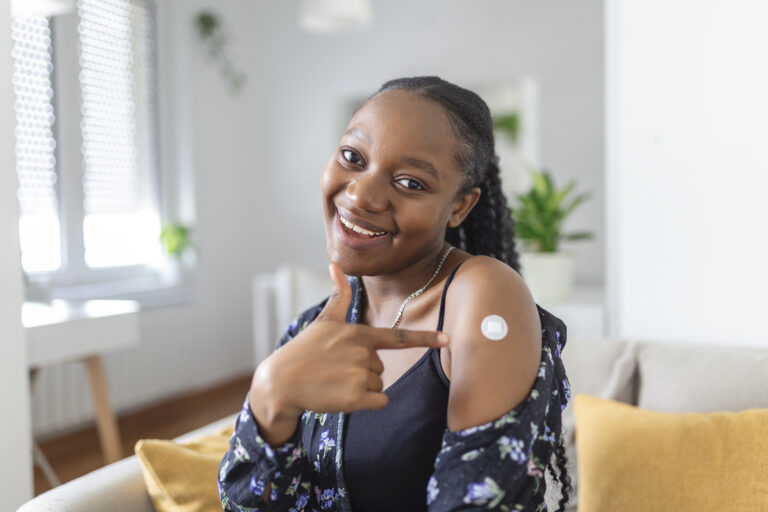
There aren’t many side effects to worried about after taking the vaccine. It’s very rare for someone to have an allergic reaction to the vaccine. Some side effects include swelling, redness, & pain near the injection site, headache, and tiredness.
How Early Can I Get The Vaccine?
There is a reason colleges make it mandatory that students get the meningitis vaccine before they come on campus. It can spread very easily among young people. This is why, as mentioned in the beginning, the earliest to get the vaccine is 11.
The most common form of the vaccine comes in two doses. The initial dose is recommended to be taken between the ages of 11 and 12. If not taken between this time, it’s recommended to get the first dose between the ages of 13 and 18. The second dose, considered the booster dose, should be given around the age of 16. If not taken at 16, it should be taken before or before age 21.
In the case that a child is at high risk or has a condition that weakens their immune system, a doctor might recommend that the vaccine be taken earlier. In addition, a different form of the vaccine might be given more frequently until not needed.
By getting the vaccine early, the risk of getting the disease is drastically reduced, and the risk of spreading it is also reduced.
Meningitis Clinical Trial at AIH
You still have the chance to get the vaccine if you are between the ages of 11 to 21. It’s best to visit your primary care physician and ensure you get the 1st and 2nd dose as soon as possible. If you are between the ages of 16 to 18, you have the opportunity to participate in a meningitis vaccine trial. This trial is to help compare of use of 2 different FDA-approved meningitis vaccines. If this sounds like something you’re up for, sign-up today to see if you are eligible. All you need to do is visit aihresearch.com, click on enroll for the meningitis vaccine trial, and sign up!
Speak to your primary care provider about getting the meningitis vaccine and protect yourself today.
Resources
Disclaimer: This blog provides general information and discussions about health-related topics. If you or any other person has a medical concern, you should consult your health care provider and seek professional medical treatment. Some of the information and content in this blog has linked materials. The links should and are not intended to be construed as medical advice and should not be supplemented as medical advice. If you think you may have a medical emergency, locate emergency services or dial 911.